

Contents
Silicone Wristbands: Trend or Risk?
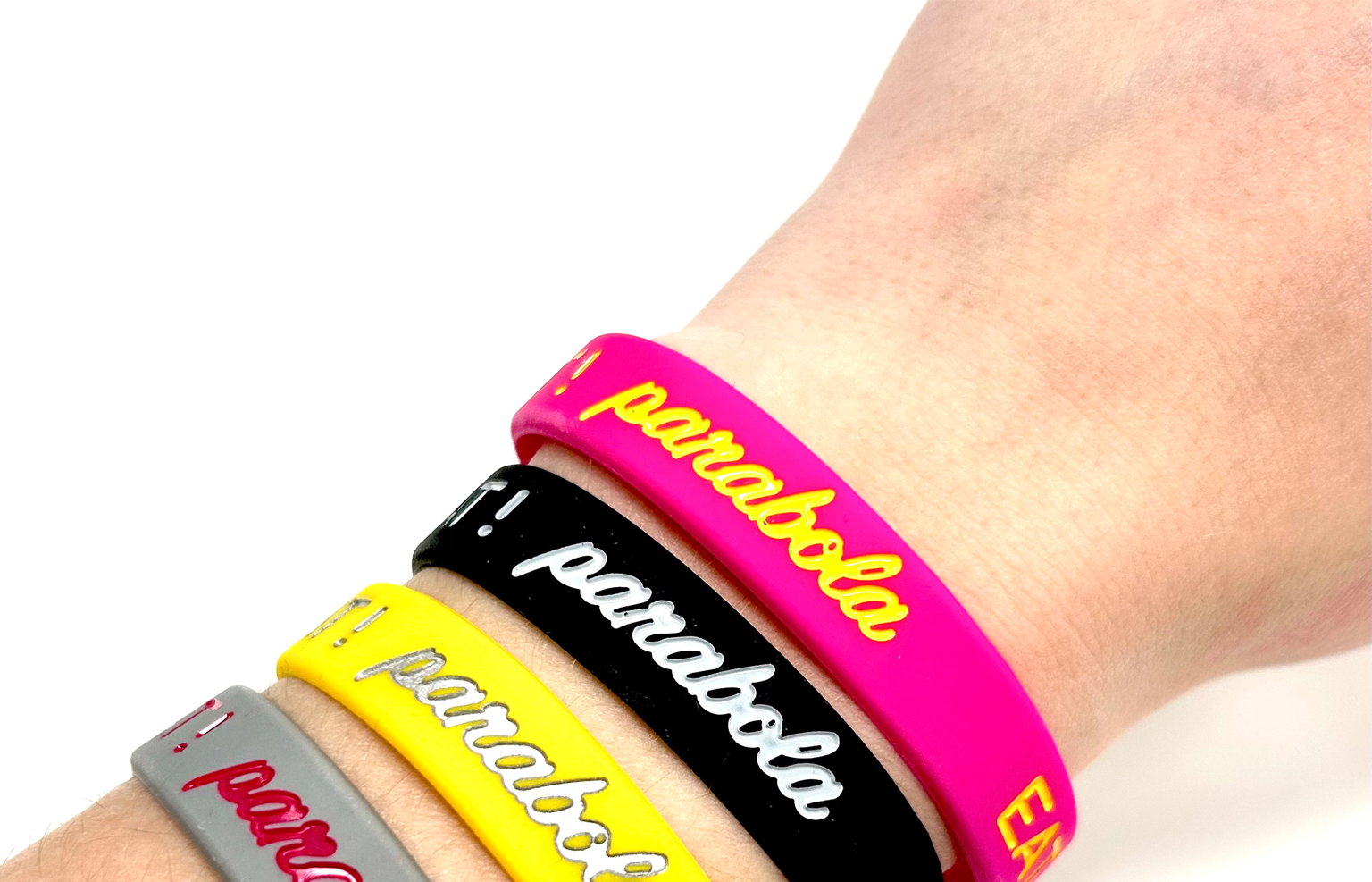
Silicone wristbands are now ubiquitous across the UK: as promotional giveaways, festival wristbands, symbols for charity causes, or simply a trendy accessory. But because of their wide range of uses, many people wonder: are silicone wristbands really safe? In this article, we’ll provide an evidence-based examination of the health implications, advantages, and potential risks. We’ll also answer some of the most frequently asked questions about silicone wristbands.
What is Silicone, and Why is it Used for Wristbands?
Silicone is a synthetic material found in many everyday products, valued for its flexibility, skin-friendliness, and durability – from bakeware to baby products. These same qualities make silicone an excellent choice for wristbands, offering both comfort and reliability.
Key Benefits of Silicone Wristbands at a Glance:
☛ Hypoallergenic: Ideal for those with sensitive skin
☛ Non-toxic: Free from latex, BPA, or phthalates
☛ Water-resistant: Perfect for sports, festivals, or swimming
☛ Long-lasting: Retains its shape even with extensive use
☛ Easy to clean: Simply wash with water and soap
☛ Highly Customisable: Logos, slogans, or colour coding – personalisation is easy
Are There Any Risks to Wearing Silicone Wristbands?
Generally, wearing silicone wristbands is considered safe, but there are a few things to consider:
● Rare Allergies: While silicone is hypoallergenic, some individuals may experience sensitivity. If you have sensitive skin, try wearing the wristband gradually.
● Avoid Cheap Products: Low-cost imports without CE marking or REACH compliance may contain harmful substances.
● Fit Matters: A wristband that’s too tight may cause discomfort or restrict circulation.
● Avoid Contact with Harsh Chemicals: Cleaning products, solvents, or sunscreen can affect the material over time.
Examples of Safe and Practical Uses for Silicone Wristbands:
► In Sport: Teams use colour-coded silicone wristbands with club logos, which remain comfortable even during intense activity.
► In Schools: Many schools issue personalised silicone wristbands as event passes or for group identification.
► At Events: Silicone festival wristbands are water-resistant, colourful, and easy to verify.
► In Healthcare: Hospitals use engraved bands for allergy warnings or emergency details.
Frequently Asked Questions (FAQ)
Are Silicone Wristbands Suitable for Children?
∷ Yes, as long as they don’t contain small parts that could be swallowed and the size is appropriate.
How Long Does a Silicone Wristband Last?
∷ With normal use, they can last several years. Colour and shape stay intact.
Can I Wear a Silicone Wristband in the Shower or While Swimming?
∷ Yes, they are water-resistant and dry quickly.
How Can I Tell High-Quality Silicone Wristbands Apart?
∷ Look for CE marking, certifications (such as REACH), and smooth finishing with no sharp edges or unpleasant smells.
Conclusion: Silicone Wristbands Are Safe – If You Choose Quality
A high-quality ➤ silicone wristbands is not only stylish but also safe and practical. When purchasing, look for certifications and attention to detail in manufacturing, and you can wear it with confidence. Silicone wristbands are popular for good reason, whether they are for children, used as personalised promotional items, or serve as practical event wristbands.